
 By Siam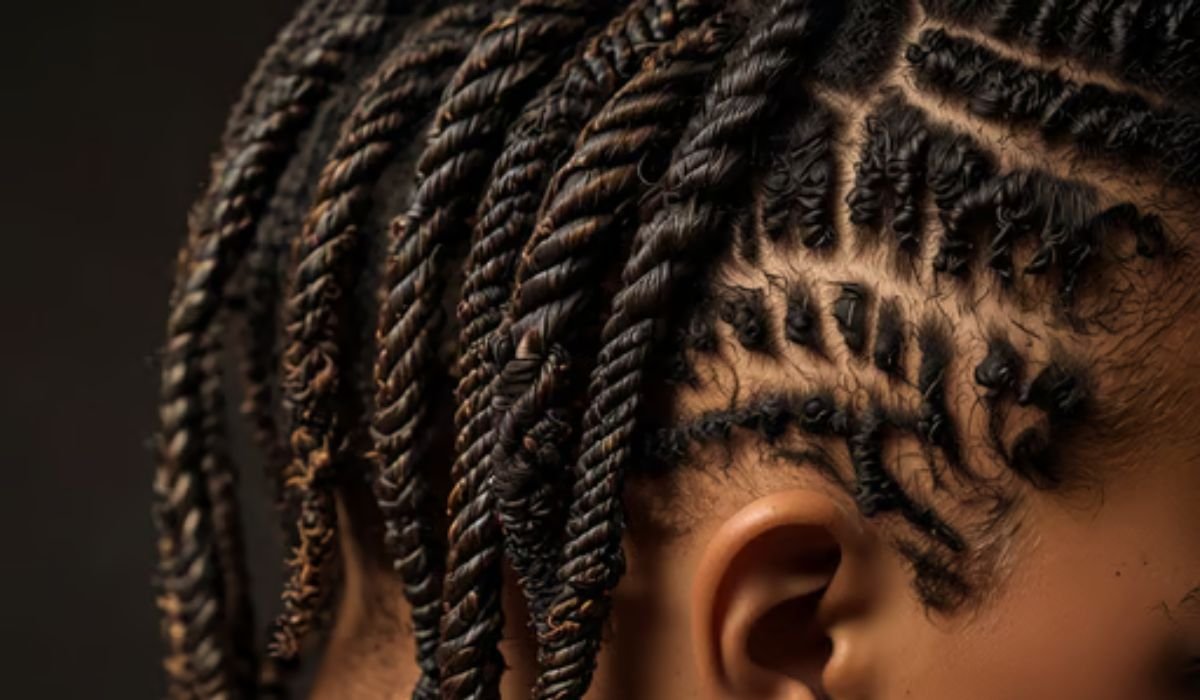
You see them everywhere. On the basketball court, in the boardroom, on your favorite streaming show. They’re clean, they’re sharp, and they carry an air of effortless confidence. I’m talking about Cuban twists, a hairstyle that has firmly planted its flag in the landscape of modern men’s grooming. But here’s the thing most people don’t realize: this isn’t some fleeting TikTok trend.
This style has roots. It has a story. And honestly, that story isn’t talked about enough outside of barbershop conversations.
I’ve been writing about men’s style and hair for over a decade, and I can tell you that most guys choose a hairstyle based on two things: what looks good and what’s low maintenance. The Cuban twist, my friend, is that rare unicorn that delivers spectacularly on both fronts. It’s a protective style with a fierce, fashionable edge. But what exactly is it? Where did it come from? And is it the right move for you?
Well, let’s break that down. Grab a seat; this is the only deep dive you’ll need.
So, What Exactly Are Cuban Twists? (It’s Not Just “Dreadlocks”)
This is the biggest misconception, and it drives me a little nuts. Let’s get this straight from the jump: Cuban twist hair is not the same as traditional dreadlocks. While they might share a visual kinship from a distance, the technique, intention, and cultural origins are distinct.
Think of it like this: all bourbon is whiskey, but not all whiskey is bourbon. Similarly, Cuban twists fall under the broad umbrella of twisted hairstyles, but they have their own specific identity.
In essence, Cuban twists are a type of two-strand twist where extensions—typically made of kanekalon or a similar synthetic fiber—are incorporated into natural hair to create defined, rope-like strands. The magic is in the twisting technique itself. A stylist sections the hair, introduces the extension fiber, and twists two sections of hair together, rolling them between their fingers to create that signature tight, neat, and uniform spiral.
The result? A head of thick, lush, individual twists that are instantly recognizable. They’re often started with a distinct, tight part at the scalp, leading to a incredibly polished look. It’s this precision that really sets them apart.
A Twist in Time: The Cultural Tapestry of the Style
Alright, let’s talk history. Pinpointing the exact origin of any hairstyle is tricky—they often evolve organically within communities. The term “Cuban twist” itself is a bit of a misnomer, or at least an oversimplification. The style is deeply woven into the fabric of the African diaspora, with clear influences from Caribbean and Black American culture.
Some experts trace its popularization back to the waves of Caribbean immigration to major American cities like Miami and New York. The style was adopted and adapted, becoming a staple in Black barbershops and hair salons. It was a way to achieve a longer, fuller look while protecting one’s natural hair underneath—a core principle of Black hair care.
Its explosion into the mainstream, however, can be largely credited to the hip-hop and athletic cultures of the 90s and early 2000s. Icons like Allen Iverson, with his fearless authenticity, made cornrows and twists a symbol of rebellion and cool. It was a statement. Today, it’s been embraced globally, shedding any single geographic label to become a universal symbol of style and self-expression.
Read also: Finding Affordable Human Hair Wigs Caucasian: A Realistic Guide
Cuban Twists vs. The World: A Quick Style Showdown
You’re probably wondering how this stacks up against other popular styles. Is it better than braids? More versatile than locs? Let’s lay it all out on the table.
| Feature | Cuban Twists | Box Braids | Dreadlocks (Locs) |
| Technique | Two strands twisted together | Three strands braided together | Hair is matted or palm-rolled into itself |
| Appearance | Rope-like, rounded, uniform | Flatter, more geometric | Organic, varied in thickness & texture |
| Installation | Generally faster than braiding | Can be time-consuming | Very time-consuming to start; a long-term commitment |
| Weight & Feel | Lightweight (with kanekalon) | Can feel heavier, tighter on scalp | Becomes heavier as hair matures |
| Versatility | High; can be worn up, down, styled easily | High; many styling options | Styling options grow as hair lengthens |
| Maintenance | Moderate; requires re-twisting at roots | Moderate; requires re-braiding at roots | High; requires regular “retwisting” and grooming |
| Commitment | Temporary (weeks to a few months) | Temporary (weeks to a few months) | Permanent; cutting is the only way to remove |
As you can see, the Cuban twist hairstyle offers a fantastic middle ground. It’s less of a long-term vow than locs and often a quicker install than intricate braiding patterns. For many guys, that’s the sweet spot.
The Undeniable Allure: Pros of Rocking Cuban Twists
Why are people so crazy about this look? Let me count the ways.
- Top-Tier Protective Style: This is the big one. By shielding your natural hair from daily manipulation, UV damage, and the elements, your hair gets a chance to just… grow. It’s a vacation from breakage.
- Low Maintenance Routine: Once they’re in? Your morning routine shrinks to about 60 seconds. A little moisturizing spray, a quick shake, and you’re out the door. It’s a game-changer for busy lives.
- Versatility is its Middle Name: Don’t let the simple name fool you. You can wear them down, pull them into a man bun or a ponytail, style them into a high top, or even experiment with half-up, half-down looks. The styling potential is massive.
- A Confidence Boost: There’s no denying it. A fresh set of twists just makes you stand a little taller. It’s a bold, defined look that commands attention in the best way possible.
Keeping It Real: The Cons and Considerations
It’s not all sunshine and rainbows. To do this right, you’ve gotta be aware of the downsides.
- Tension is the Enemy: If installed too tightly, especially at the hairline, twists can cause traction alopecia—a fancy term for hair loss from pulling. A good stylist will know how to avoid this. If it hurts during installation, speak up!
- The Itch Factor: With synthetic hair and a new style, your scalp might need an adjustment period. Keeping it moisturized is key to avoiding the dreaded itch.
- Cost and Time: This isn’t a $20 buzz cut. A quality installation from a skilled professional takes hours and can be a significant investment. But you get what you pay for—never cheap out on your hair.
- Upkeep is Required: While daily maintenance is low, you will need to get the roots re-twisted every 4-6 weeks as your natural hair grows out to keep them looking fresh.
Your Cuban Twist Starter Pack: Installation & Care
So you’re sold. How do you get them, and how do you keep them looking fire?
The Installation Process: Please, for the love of good hair, go to a professional. Look for a stylist who specializes in protective styles. They’ll:
- Braid or twist your natural hair into a base cornrow to anchor the extension.
- Take a section of the kanekalon fiber, fold it, and loop it through the base.
- Divide the loop into two strands and begin meticulously twisting them together with your natural hair, working down to the ends.
- Seal the end with hot water (for synthetic hair) to prevent unraveling.
Caring for Your Twists:
- Moisturize, Moisturize, Moisturize: Use a lightweight leave-in conditioner or a dedicated moisturizing spray on your scalp and twists every few days.
- Wash Gently: Yes, you can and should wash them! Dilute shampoo in water, massage your scalp gently, and rinse thoroughly. Avoid aggressive scrubbing that can cause frizz.
- Sleep Smart: Wrap your hair in a silk or satin scarf or use a satin pillowcase. This reduces friction, prevents frizz, and maintains the style.
- Don’t Overstyle: Constantly pulling them back tightly can stress your edges. Give your hair a break.
FAQs
Q: How long do Cuban twists last?
A: With proper care, you can expect them to last anywhere from 4 to 8 weeks. It largely depends on how fast your hair grows and how well you maintain them.
Q: Can I get Cuban twists if I have straight or fine hair?
A: It’s challenging. The style requires some texture or length to grip the extensions securely. Those with straight hair might need to texturize it first or explore other styling options, as twists likely won’t hold well.
Q: What’s the difference between Cuban twists and Senegalese twists?
A: Great question. Senegalese twists are typically a much smaller, finer two-strand twist, often using a different twisting technique that results in a more rope-like and less “braided” look than some other styles. Cuban twists are generally thicker and more pronounced.
Q: Do they damage your hair?
A: Not if installed and maintained correctly. The damage comes from excessive tension, keeping them in for too long, or improper removal. When done right, they are a protective style that prevents damage.
Q: How much do they usually cost?
A: Price varies wildly by location, stylist expertise, and hair length. You’re typically looking at anywhere from $150 to $400+.
Q: How do I take them out?
A: Carefully! The best method is to snip the sealed end of the synthetic hair and then patiently unravel the twist. Follow up with a deep conditioning treatment for your natural hair to restore moisture.
The Final Twist
The Cuban twist is more than a hairstyle; it’s a versatile, powerful tool for self-expression. It bridges the gap between cultural heritage and contemporary fashion, offering a look that’s both rugged and refined. It’s a testament to the fact that the best styles aren’t just about aesthetics—they’re about practicality, history, and confidence.
In my experience, a guy gets his first set of twists for the look, but he comes back for the feeling it gives him. It’s a style that works for you, not the other way around.
So, what’s your next move? Are you ready to give your hair a break and your style a major upgrade? Your local barber shop or stylist is waiting.
You may also like: The Ultimate Guide to Stunning Human Hair Blonde Wigs Under $70