
 By John Arthur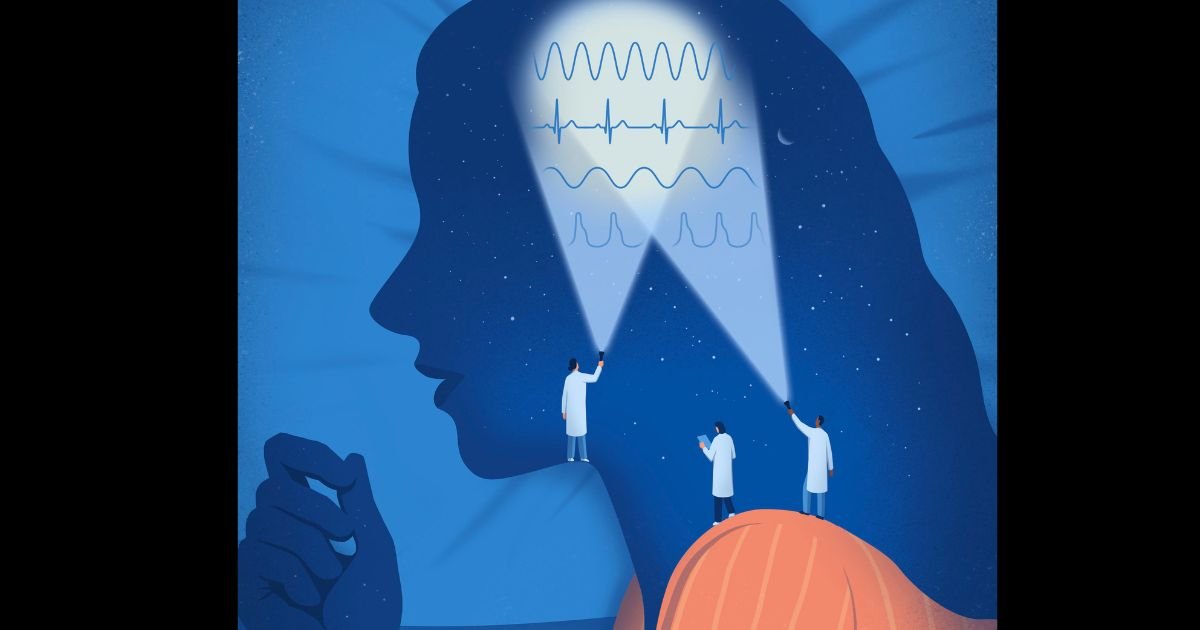
Have you ever dragged yourself out of bed after what felt like a decent night only to wonder why your brain still feels foggy? Or maybe you’ve noticed how a single off schedule day can throw your entire week into chaos. These aren’t just random annoyances. They point straight to something deeper that’s been quietly revolutionizing our understanding of rest.
Enter The New Science of Sleep. In 2026, neurological research has zeroed in on circadian rhythms like never before, showing how these internal clocks don’t just tell us when to feel tired. They orchestrate recovery at the cellular level, clear brain waste, and even predict long term health risks. What used to be dismissed as “sleep hygiene” has evolved into precise, evidence based strategies backed by brain imaging, AI models, and molecular discoveries. Honestly, this isn’t talked about enough in everyday conversations, but it could change how you approach every single night.
Table of Contents
- The Foundations: Why Sleep Science Feels Brand New in 2026
- Circadian Rhythms Redefined: Key 2026 Breakthroughs
- The Brain’s Nighttime Cleanup Crew: Glymphatic System and Neuroprotection
- Beyond Duration: Sleep Architecture, Growth Hormone, and Recovery Loops
- AI Enters the Bedroom: Predictive Tools from One Night of Data
- From Lab to Real Life: Practical Shifts in Chrononutrition and Environment
- Comparison Table: Old Sleep Advice Versus 2026 Insights
- FAQ Section
- Final Thoughts: Where The New Science of Sleep Takes Us Next
The Foundations: Why Sleep Science Feels Brand New in 2026
Let’s be real. For decades, sleep advice boiled down to “get eight hours and avoid screens.” Useful, sure, but surface level. The New Science of Sleep digs much deeper into the neurological orchestra playing inside us every night. Circadian rhythms, those 24 hour biological cycles, aren’t just about light and dark anymore. They’re master regulators influencing everything from hormone release to waste clearance in the brain.
You might not know this, but your body runs on a network of clocks. There’s the master one in the suprachiasmatic nucleus (SCN) of the hypothalamus, plus peripheral clocks ticking away in your liver, fat cells, and even immune system. When they fall out of sync, that’s when trouble brews. 2026 research has made it crystal clear: misalignment isn’t a minor inconvenience. It accelerates neurodegeneration, messes with metabolism, and quietly chips away at cognitive sharpness.
What changed? Advances in neuroimaging, wearable tech, and molecular biology let scientists peek inside living brains during sleep in ways that were impossible before. Suddenly, we’re seeing not just if you sleep, but how your brain uses that time for repair. And the findings? They’re game changing.
Circadian Rhythms Redefined: Key 2026 Breakthroughs
Picture this. Researchers in early 2026 reconstituted the simplest circadian clock from cyanobacteria right in a test tube. They watched gene switching happen in real time, no living organism required. That experiment, published in February, stripped the clock down to its bare essentials and revealed how environmental cues flip molecular switches with stunning precision.
It’s not abstract lab stuff either. On the human side, studies out of Washington University in St. Louis (building on 2025 data) showed that Alzheimer’s disease doesn’t just disrupt sleep. It scrambles circadian rhythms inside brain cells like microglia and astrocytes, altering hundreds of genes tied to plaque clearance. Restoring those rhythms? It might open a whole new treatment avenue.
Then there’s the push toward blood tests that read your internal clock. No more guessing your chronotype. A simple draw can reveal if you’re a natural early bird whose late night Netflix habit is silently stressing your system. These tools are already helping clinicians tailor chronotherapy, timing medications or light exposure to match your personal rhythm. You might wonder why this matters so much now. Because consistency beats duration alone. One 2026 analysis found that irregular sleep patterns raised dementia risk more than short sleep in some groups. Your body craves predictability.
The Brain’s Nighttime Cleanup Crew: Glymphatic System and Neuroprotection
Here’s where things get fascinating, and a little unsettling if you skip sleep often. During deep non REM sleep, your brain’s glymphatic system kicks into high gear. Interstitial spaces expand by about 60 percent, letting cerebrospinal fluid flush out amyloid beta and tau proteins, the very culprits linked to Alzheimer’s. Clearance runs twice as fast asleep versus awake, with slow wave sleep hitting peak efficiency.
Miss even one solid night and those proteins can spike 25 to 50 percent. Chronic short sleep (six hours or less) correlates with a 30 to 40 percent higher dementia risk. The suprachiasmatic nucleus plays gatekeeper here too. As we age, or with neurodegenerative diseases, SCN neurons dwindle, weakening the signal that keeps rhythms tight. Parkinson’s patients show similar patterns, with REM sleep behavior disorder predicting future diagnosis 80 to 90 percent of the time, sometimes a decade early.
Some experts disagree on exact timelines, but here’s my take: protecting circadian strength isn’t optional. It’s preventive neurology.
Beyond Duration: Sleep Architecture, Growth Hormone, and Recovery Loops
Duration gets all the headlines, yet 2026 research keeps reminding us that quality and architecture matter more. Take the UC Berkeley team’s 2025 work (still making waves this year) mapping brain circuits that control growth hormone release during sleep. In mice, they traced how GHRH neurons ramp up while somatostatin eases off in non REM stages, flooding the body with GH for muscle repair, fat burning, and even cognitive boosts upon waking.
A feedback loop emerged: accumulated GH nudges locus coeruleus neurons, fine tuning wakefulness the next day. Disrupt that loop with poor sleep and you get metabolic slowdown, weaker immunity, and foggy thinking. It’s a beautiful system when it works, a vicious cycle when it doesn’t.
NREM breakthroughs also highlighted stress recovery. Deeper slow wave sleep stabilizes the brain after daily wear and tear, reducing inflammation markers that feed into anxiety and cognitive decline.
AI Enters the Bedroom: Predictive Tools from One Night of Data
This might be the most mind bending part of The New Science of Sleep. Stanford’s SleepFM model, released in January 2026, trained on over 585,000 hours of polysomnography data from 65,000 people. It doesn’t just score your sleep stages. It predicts risk for more than 130 conditions, from Parkinson’s (C index 0.89) to dementia (0.85), heart attack (0.81), and certain cancers.
The magic? It learns the “language of sleep” by watching brain waves, heart signals, breathing, and movement all sync (or clash). When your sleeping brain looks calm but your heart stays wired, that’s a red flag. One night of data, analyzed by this AI, can flag future health issues years ahead. It’s not sci fi. It’s already here in research labs and heading toward clinical use.
From Lab to Real Life: Practical Shifts in Chrononutrition and Environment
You don’t need a fancy lab to apply this. Chrononutrition, timing meals to your circadian window, showed strong results in 2026 trials. Earlier time restricted eating (say, finishing dinner by 7 p.m.) advanced sleep timing, boosted melatonin, and improved metabolic markers.
Lighting matters too. Dynamic circadian lighting in offices, shifting spectra and intensity with the day, increased melatonin secretion and cut sleep complaints. Teens in Zurich studies slept longer and performed better when school start times flexed to match their naturally later rhythms.
Even something as simple as consistent bedtimes outperformed extra hours in some datasets. Your peripheral clocks thank you.
Comparison Table: Old Sleep Advice Versus 2026 Insights
| Aspect | Old Advice (Pre 2025) | 2026 New Science Insight | Why It Matters |
|---|---|---|---|
| Focus | Get 7-9 hours | Prioritize rhythm consistency and deep NREM | Consistency predicts health better than raw hours |
| Screens | Avoid blue light 1 hour before bed | Time light exposure to strengthen SCN | Morning bright light resets clocks faster |
| Eating | No heavy meals before bed | Align meals with circadian window (chrononutrition) | Improves melatonin and recovery |
| Environment | Dark, cool room | Use dynamic lighting and novel environment strategies | Reduces “first night effect” via specific neuron pathways |
| Recovery Metric | Morning alertness | Glymphatic clearance and daytime cognitive function | Prevents neurodegeneration long term |
FAQ Section
What exactly is The New Science of Sleep? It’s the convergence of neurological research, circadian biology, and tech showing sleep as an active recovery process rather than mere downtime. 2026 breakthroughs emphasize rhythm alignment over simple duration.
How do circadian rhythms affect brain recovery?
They coordinate the glymphatic system to flush toxins and regulate hormone release for repair. Misalignment speeds up protein buildup linked to dementia and Parkinson’s.
Can AI really predict disease from sleep data?
Yes. Models like SleepFM analyze one night’s polysomnography to forecast risks for Parkinson’s, dementia, heart disease, and more with impressive accuracy.
Is sleep consistency more important than total hours?
In many 2026 studies, yes. Irregular patterns disrupt peripheral clocks and raise inflammation even if you hit eight hours on average.
What practical steps can I take today based on these findings?
Maintain fixed bed and wake times, eat within a 10-12 hour window ending early, get morning sunlight, and consider circadian friendly lighting at home. Small shifts compound.
Does the first night effect have a biological explanation now?
Absolutely. Specific neurons in the extended amygdala stay vigilant in new environments, explaining why hotel sleep often stinks the first night.
Are there new treatments on the horizon for circadian related disorders?
Chronotherapies, targeted light protocols, and even gene level clock modulators are advancing fast, especially for insomnia and neurodegeneration prevention.
Final Thoughts: Where The New Science of Sleep Takes Us Next
Looking back at these 2026 breakthroughs, one thing stands out. Sleep isn’t a luxury or a side note to health. It’s the foundation, and circadian rhythms are the blueprint. We’ve moved from crude rules of thumb to precise, personalized strategies that could add healthy years to life. Some experts still debate exact mechanisms, but the data is piling up fast.
If there’s one takeaway, it’s this: treat your rhythms with the respect they deserve. Your future brain will thank you. What small change will you test tonight? Drop a comment or share your own sleep experiment. The conversation around The New Science of Sleep is just getting started.
You may also like: Antifungal Nail & Scalp Treatments: Lamisil, Nizral & Practical Adherence Tips